Key Takeaways: Deepening Your Daily Reflection
- Transformative Encounter: Daily Mass readings offer a direct, personal encounter with God's living Word.
- Spiritual Growth: Consistent engagement fosters deeper understanding of Scripture and strengthens your faith journey.
- Church's Wisdom: The Lectionary and accompanying commentary provide an authentic interpretation rooted in Catholic tradition.
- Practical Application: Learn methods like Lectio Divina to integrate God's message into your daily life.
- Daily Illumination: Discover how Scripture illuminates current challenges and guides your spiritual walk.
1. Spiritual Snapshot: Deepening Your Daily Reflection

In the rhythm of our daily lives, finding moments of profound spiritual connection can be a challenge. Yet, the Catholic Church offers a timeless wellspring of grace: the daily Mass readings. Far from being a mere liturgical formality, these readings, especially when coupled with thoughtful commentary, present an unparalleled opportunity to deepen your daily reflection and encounter the living God.
This article aims to guide you in transforming a routine practice into a rich, personal encounter with God's Word. We'll explore how daily insights from the United States Conference of Catholic Bishops (USCCB) readings can illuminate your current life circumstances, foster personal growth, and strengthen your faith, making Christ's presence more tangible in your everyday existence.
2. Biblical Foundation: The Living Word for Today
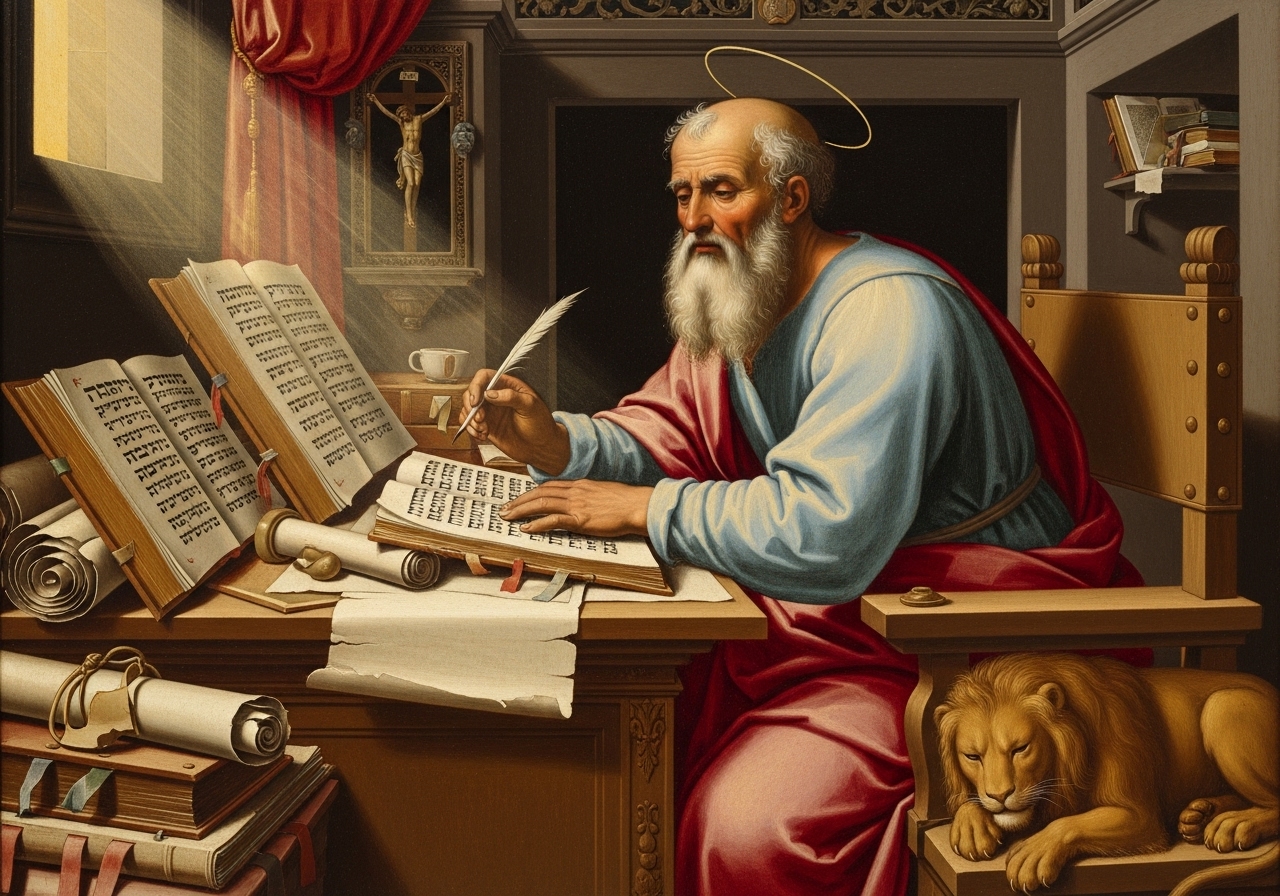
The structure of daily Mass readings is designed to immerse the faithful in the breadth of salvation history. Each day typically includes:
- A First Reading: Often from the Old Testament or the Acts of the Apostles, setting a foundational theme.
- A Responsorial Psalm: A poetic response that resonates with the First Reading, inviting prayer and meditation.
- A Second Reading: (Usually only on Sundays and Solemnities) From an Epistle or Revelation.
- The Gospel Reading: Always from one of the four Gospels, proclaiming the life, teachings, miracles, and paschal mystery of Jesus Christ.
These readings follow a structured cycle known as the Lectionary for Mass. Weekdays operate on a two-year cycle (Year I and Year II), while Sundays and Solemnities follow a three-year cycle (Year A, Year B, Year C). This ensures that over time, the faithful are exposed to a rich tapestry of Sacred Scripture.
The importance of God's Word is eloquently captured in Scripture itself: “Indeed, the word of God is living and active, sharper than any two-edged sword, piercing even to the division of soul and spirit, of joints and marrow, and discerning the thoughts and intentions of the heart.” (Hebrews 4:12, NABRE). Daily readings provide a continuous narrative, revealing God's unfolding plan of salvation and consistently pointing us toward Christ, the Word Incarnate.
3. Church Teaching / Tradition: Reverence for Sacred Scripture

The Catholic Church has always held Sacred Scripture in the highest reverence, especially within the liturgy. It is not merely a historical text but the living voice of God, intended to nourish and guide the faithful.
The Second Vatican Council's Dogmatic Constitution on Divine Revelation, Dei Verbum, profoundly emphasizes the centrality of Scripture. It states, "The Church has always venerated the divine Scriptures just as she venerates the body of the Lord, since, especially in the sacred liturgy, she unceasingly receives and offers to the faithful the bread of life from the table both of God's word and of Christ's body." (Dei Verbum 21). Furthermore, it teaches that Scripture is the 'soul of sacred theology,' indispensable for spiritual formation and theological understanding.
The Catechism of the Catholic Church (CCC) provides further insight into the inspiration and interpretation of Scripture:
- CCC 101: "In Sacred Scripture, God speaks to man in a human way. To interpret Scripture correctly, the reader must be attentive to what the human authors truly wanted to affirm and to what God wanted to reveal to us by their words."
- CCC 104: "The Christian faith is not a 'religion of the book,' but of the 'Word' of God, 'not an inarticulate and mute word, but incarnate and living.'"
- CCC 131: "The Church venerates the Scriptures as she venerates the Body of the Lord. She never ceases to present to the faithful the bread of life, from the one table of God's Word and Christ's Body."
Saints throughout history have echoed this sentiment. St. Jerome famously declared, "Ignorance of Scripture is ignorance of Christ." His life's work was dedicated to translating and studying the Bible, recognizing its indispensable role in knowing God. The Church's Magisterium, guided by the Holy Spirit, plays a crucial role in safeguarding and authentically interpreting the Word, ensuring its faithful transmission and understanding for all generations.
4. Theological Reflection: Unpacking the Daily Readings

Engaging with daily Mass readings and commentary allows us to delve deeper into the mysteries of Christ and the ongoing work of the Holy Spirit in our world. It's an invitation to theological reflection that transforms head-knowledge into heart-knowledge.
Commentary helps us see the profound interplay between Old Testament prophecies and figures and their New Testament fulfillment in Christ. For example, a reading from Exodus about manna in the desert gains deeper meaning when paired with a Gospel passage where Jesus declares himself the 'bread of life.' Understanding the genre (e.g., historical narrative, prophecy, poetry, epistle) and the historical context of each reading through informed commentary is essential for grasping its intended message.
Through daily reflection, we can explore key theological themes: God's unfailing mercy, the call to justice, the demands of discipleship, the nature of the Kingdom of God, and the boundless love of the Trinity. Each reading, whether Old or New Testament, points ultimately to Christ, who is the center and sum of all revelation.
Crucially, the Word proclaimed in the readings is intimately connected to the Eucharist celebrated. The 'table of the Word' prepares us for the 'table of the Eucharist,' where Christ is truly present, body, blood, soul, and divinity. The Word nourishes our minds and hearts, making us ready to receive the Body of Christ.
5. Practical Application: Living Out the Daily Message
To truly benefit from the USCCB daily Mass readings and commentary, conscious effort is required to incorporate them into one's spiritual routine. It's about letting the Word not just inform, but transform, your life.
Introducing Lectio Divina
One of the most profound methods for personal reflection is Lectio Divina, Latin for 'divine reading.' This ancient practice involves four steps:
- Read (Lectio): Slowly and attentively read the passage, perhaps several times, noticing words or phrases that stand out.
- Meditate (Meditatio): Reflect on what the text says to you personally. How does it touch your life? What questions does it raise?
- Pray (Oratio): Respond to God in prayer, speaking from your heart about what you have heard and meditated upon. This could be a prayer of thanksgiving, petition, or intercession.
- Contemplate (Contemplatio): Rest in God's presence, allowing His Word to permeate your being. It's a quiet 'gazing' upon God, allowing Him to speak beyond words.
Suggestions for Deeper Engagement:
- Journaling: Keep a spiritual journal to record insights, questions, and prayers inspired by the readings. Over time, you'll see patterns of grace and growth.
- Concrete Actions: Ask yourself: "How can I live out this message today?" Translate spiritual insights into concrete actions, attitudes, or decisions in your daily life – perhaps an act of charity, a moment of forgiveness, or a commitment to greater patience.
- Shared Reflection: Engage with family, friends, or a small faith group to discuss the readings. Sharing perspectives can illuminate new understandings and foster community.
- Prayer Intentions: Let the themes of the readings inspire your daily prayer intentions for yourself, your loved ones, and the world.
By making these practices a consistent part of your day, the daily Mass readings become a dynamic source of guidance, comfort, and challenge, shaping you ever more into the likeness of Christ.
6. A Powerful Prayer: For Illumination and Transformation
Before you begin your daily reflection, invite the Holy Spirit to open your heart and mind. Here is a prayer to help you do just that:
"Heavenly Father, as we open Your sacred Word today, enlighten our minds and inflame our hearts through the power of Your Holy Spirit. Grant us the grace to hear, understand, and live out Your divine message, drawing closer to Christ our Lord. Help us to recognize Your voice in these sacred texts and to apply Your wisdom to our lives. May Your Word transform us, making us instruments of Your peace and love in the world. We ask this through Christ our Lord. Amen."
7. FAQ: Common Questions About Daily Mass Readings
Where can I find today's USCCB daily Mass readings and commentary online?
The official source for daily Mass readings is the USCCB website. Many other reputable Catholic websites like EWTN, Catholic.org, and Aleteia also provide the readings along with insightful commentary from various Catholic scholars and spiritual writers.
What is the difference between daily Mass readings and Sunday Mass readings?
Sunday Mass readings follow a three-year cycle (A, B, C) and usually include a First Reading (typically Old Testament), a Responsorial Psalm, a Second Reading (usually from an Epistle), and a Gospel. Daily Mass readings (Monday-Saturday) follow a two-year cycle (Year I and Year II) and typically include a First Reading, a Responsorial Psalm, and a Gospel, usually omitting the Second Reading unless it's a Solemnity or Feast.
Why is it important to reflect on the readings daily, even if I cannot attend Mass?
Reflecting on the readings daily, even outside of Mass, keeps you connected to the liturgical life of the Church and nourished by God's Word. It's a powerful spiritual discipline that fosters continuous growth in faith, provides daily guidance, and strengthens your relationship with Christ, making His presence more active in your life.
How can I choose a good Catholic Bible commentary for daily scripture insights?
Look for commentaries that are faithful to Catholic teaching, such as those published by Catholic universities or recognized Catholic presses. Many online platforms like Catholic.com or Aleteia also feature daily reflections written by reputable theologians. For deeper study, consider resources like the Navarre Bible Commentary or the Ignatius Catholic Study Bible.
What if I don't understand the readings or the commentary?
It's normal to find some passages challenging. Don't be discouraged! Take what you can from the reading. Prayerfully ask the Holy Spirit for understanding. Utilize commentaries, discuss with a spiritual director or a trusted Catholic friend, and remember that growth in understanding is a lifelong journey. Consistency is key, not immediate mastery.
Are there audio versions of the daily readings and reflections available?
Yes, many Catholic apps, podcasts, and websites offer audio versions of the daily Mass readings and accompanying reflections. Search for "daily Catholic readings audio" or specific apps like "Hallow," "Amen," or "Laudate" which often include this feature.
Bình luận
Viết bình luận của bạn: